PoE: Power Down the Network Cable, and When It's Worth It
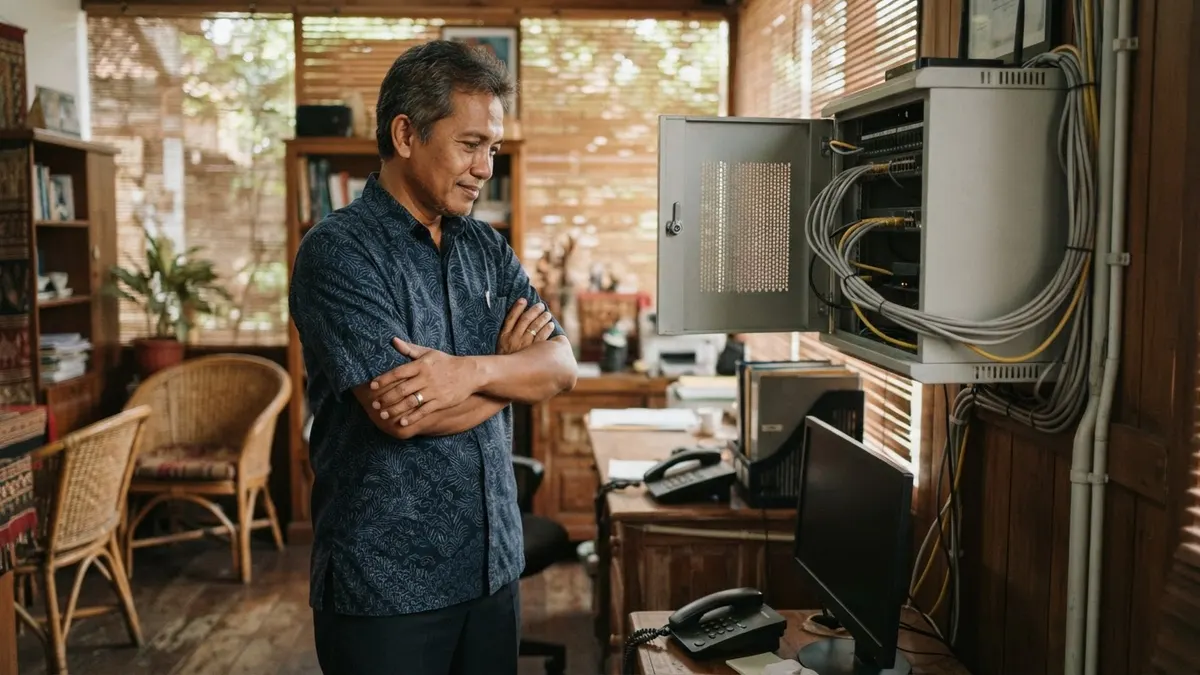
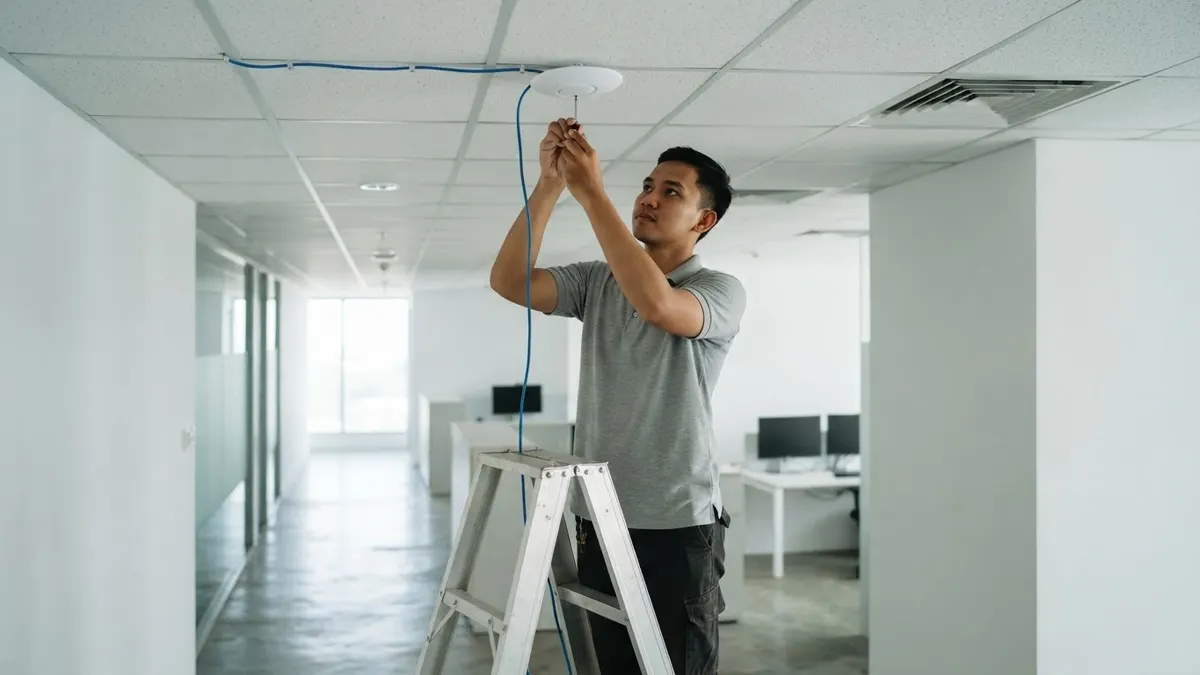
One cable carries both data and power. What makes that valuable isn't tidiness, it's no longer needing a socket in awkward places.
Wi-Fi, internet security, connection troubleshooting, and networking for small businesses. All written in-house.
One cable carries both data and power. What makes that valuable isn't tidiness, it's no longer needing a socket in awkward places.
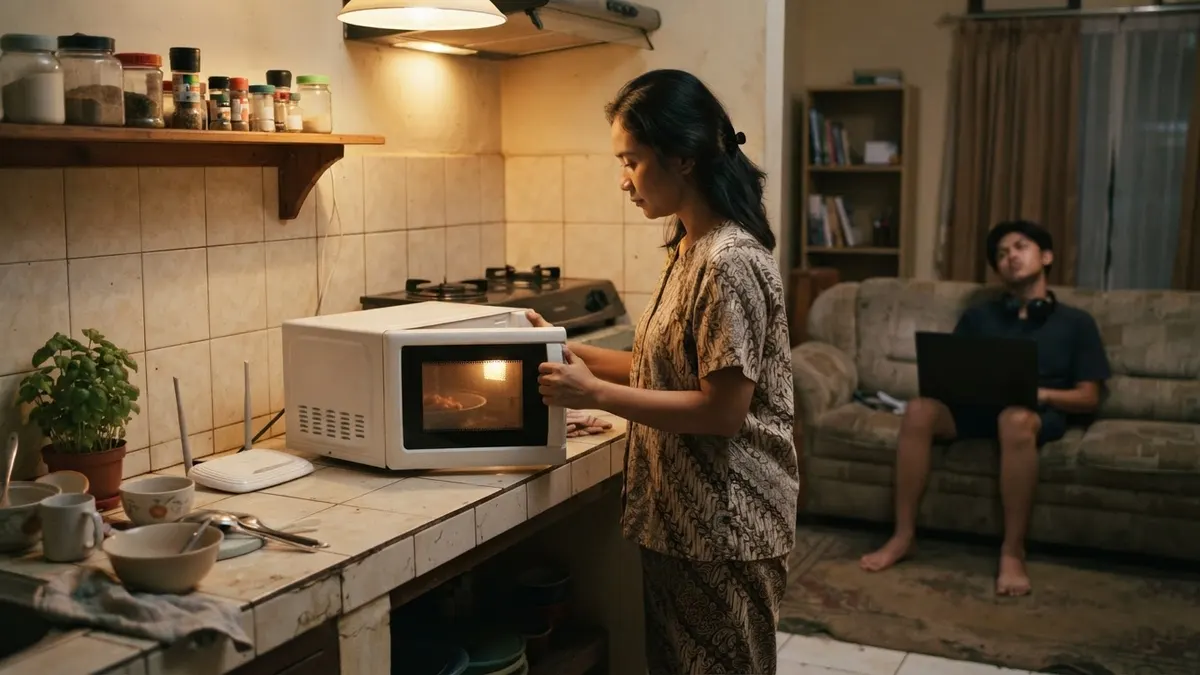
One symptom is genuinely puzzling: the internet slows at the same time every day with nothing having changed. The cause is often something in the kitchen.
Keeping usage records sounds like the safe move. Keeping the wrong ones, or keeping them too long, creates obligations you didn't have before.
In coworking, internet isn't an amenity, it's the product. A member whose video call keeps stuttering doesn't complain; they simply don't renew.
A Wi-Fi login page looks like perfect ad space. That's exactly why it's the easiest place to break the rules without noticing.
A fake page on public Wi-Fi doesn't need to hack anything. It only needs to appear before the real one, and most people never pause to doubt it.
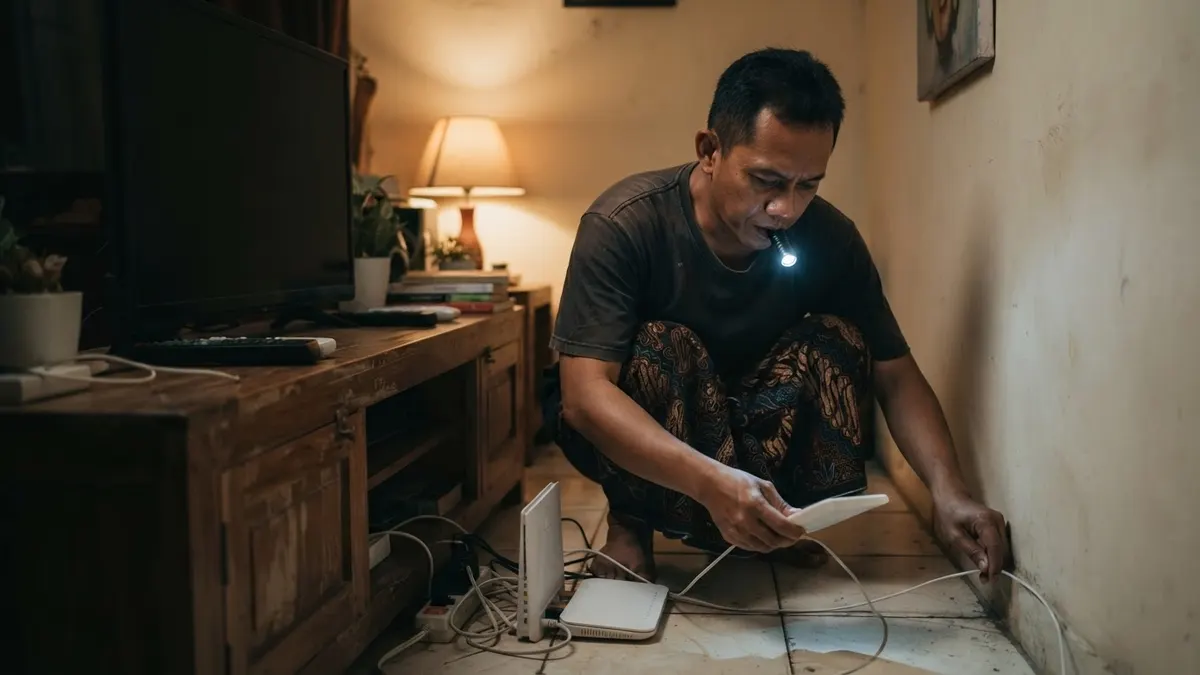
When the internet dies completely, the common mistake isn't fixing it wrongly, it's fixing something that wasn't broken. The order of checks decides everything.
There's a hidden reason a home camera can't be reached from outside even when every setting is right. It's called CGNAT, and nobody told you about it.
Cameras and smart TVs are computers that rarely get updated, yet run twenty-four hours a day. Placing them on a separate network works better than changing their passwords.
Routers run warm. The problem isn't the heat itself but heat with nowhere to go, and the symptoms disguise themselves as slow internet.
Café Wi-Fi isn't just an amenity. It determines how long people sit, and how long people sit determines revenue per table.
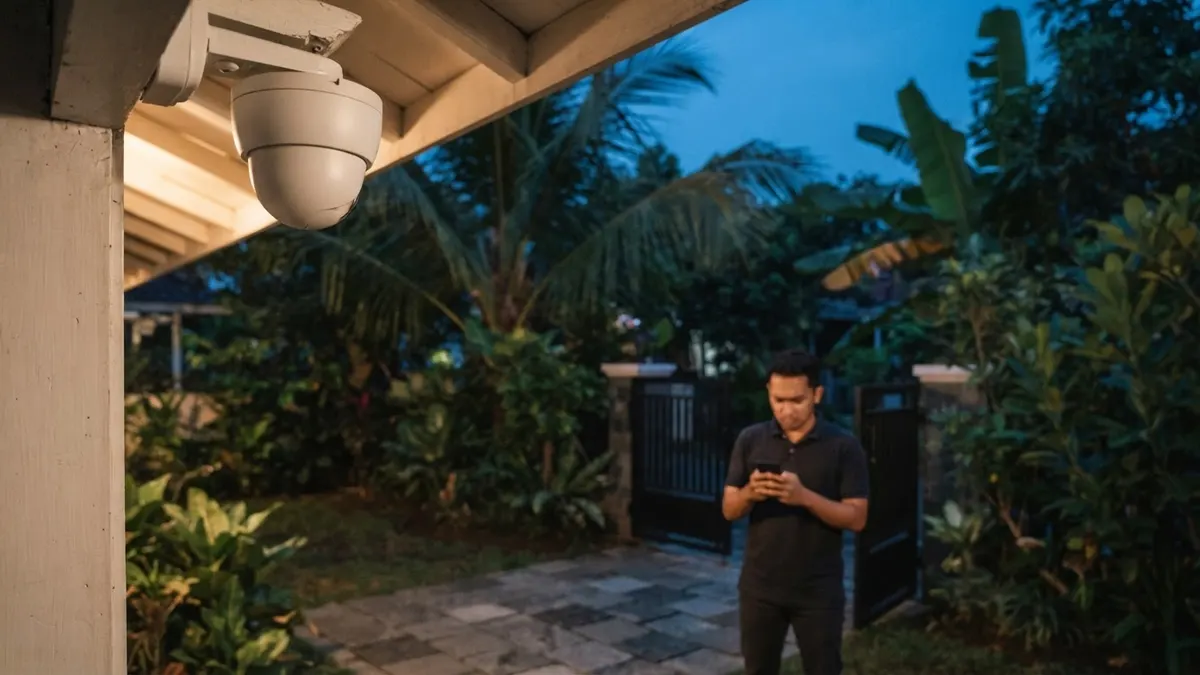
Cameras are installed to watch the house. The irony is that they're often the one device opening a way in, and owners are never told.
Send your question to the editorial team. The ones that keep coming up usually become the next guide.