5G Home Internet vs Fibre: Which One Suits You
5G speed figures look more impressive in adverts. What's rarely mentioned is that those figures are shared with everyone around the tower.
Wi-Fi, internet security, connection troubleshooting, and networking for small businesses. All written in-house.
5G speed figures look more impressive in adverts. What's rarely mentioned is that those figures are shared with everyone around the tower.
Every time you open a site, a short conversation happens first. It takes milliseconds, and you only notice it when it fails.
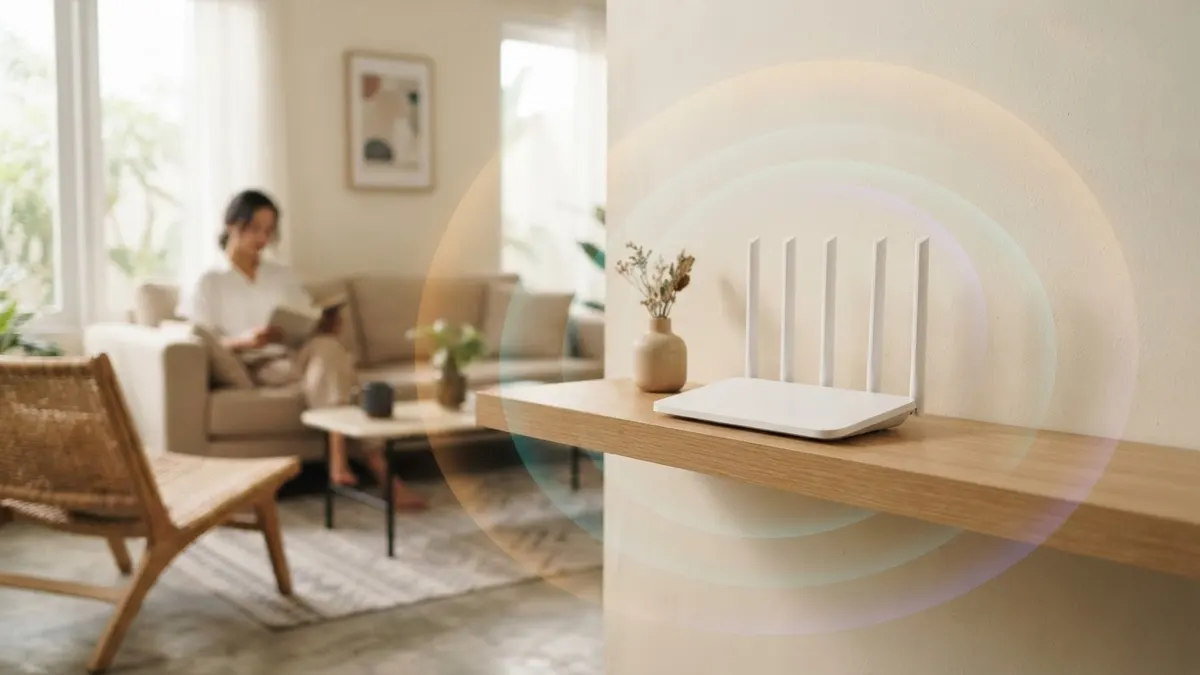
Modern routers broadcast on two or three bands at once. Each one is good at something different.
Throttling rarely fixes the actual problem. What makes a network feel slow is usually not whoever is downloading the most.
Online meetings demand stability more than speed. A 100 Mbps plan that stutters every five minutes loses to a calm 20 Mbps.
Three terms that get mixed up constantly. The difference explains why a fast plan sometimes still feels slow.
Every device gets a local address from the router. Occasionally two devices get the same one, and the result is confusing.
IPv6 doesn't make the internet faster. What it solves is running out of addresses, and that affects something you may be experiencing without realising it.
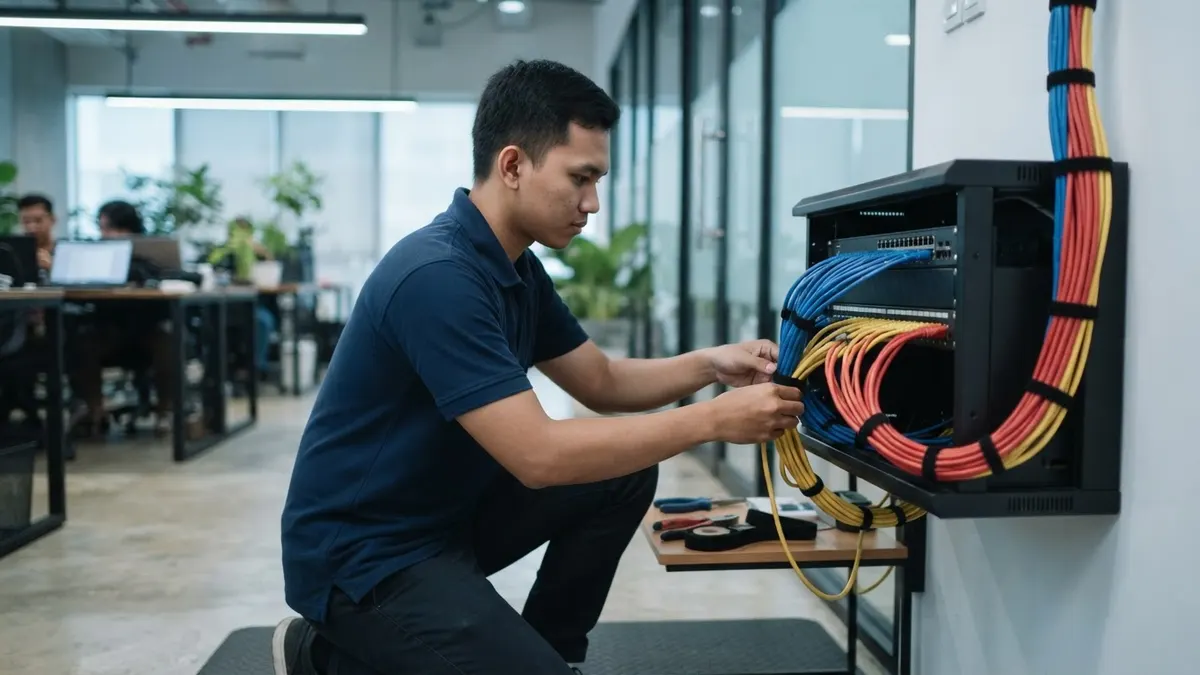
A VLAN makes one cable behave like several separate cables. It sounds complicated, but the problem it solves is very ordinary.
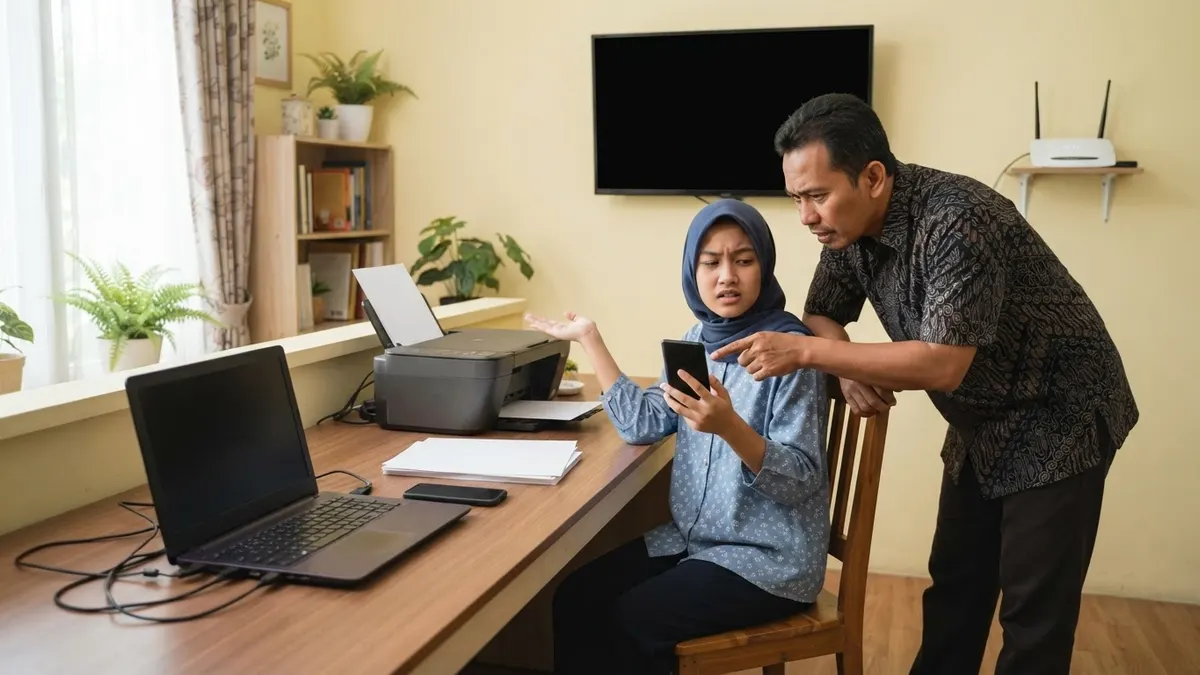
A printer that suddenly vanishes from the list almost always has one cause: its address changed. Giving it a fixed address solves it for good.
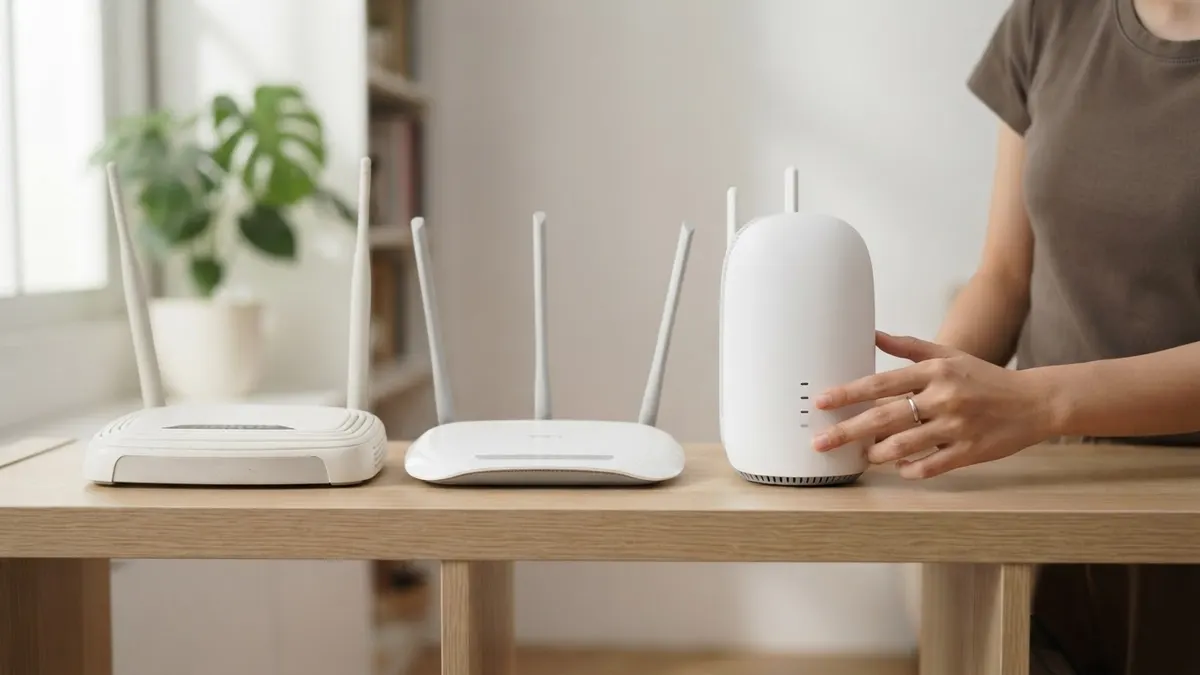
What changes between generations, and which of it you'll actually feel at home.
There's really only one common mistake: the cable goes into the WAN port. The result is two separate networks instead of one.
Send your question to the editorial team. The ones that keep coming up usually become the next guide.