Two-Factor Authentication and Account Security
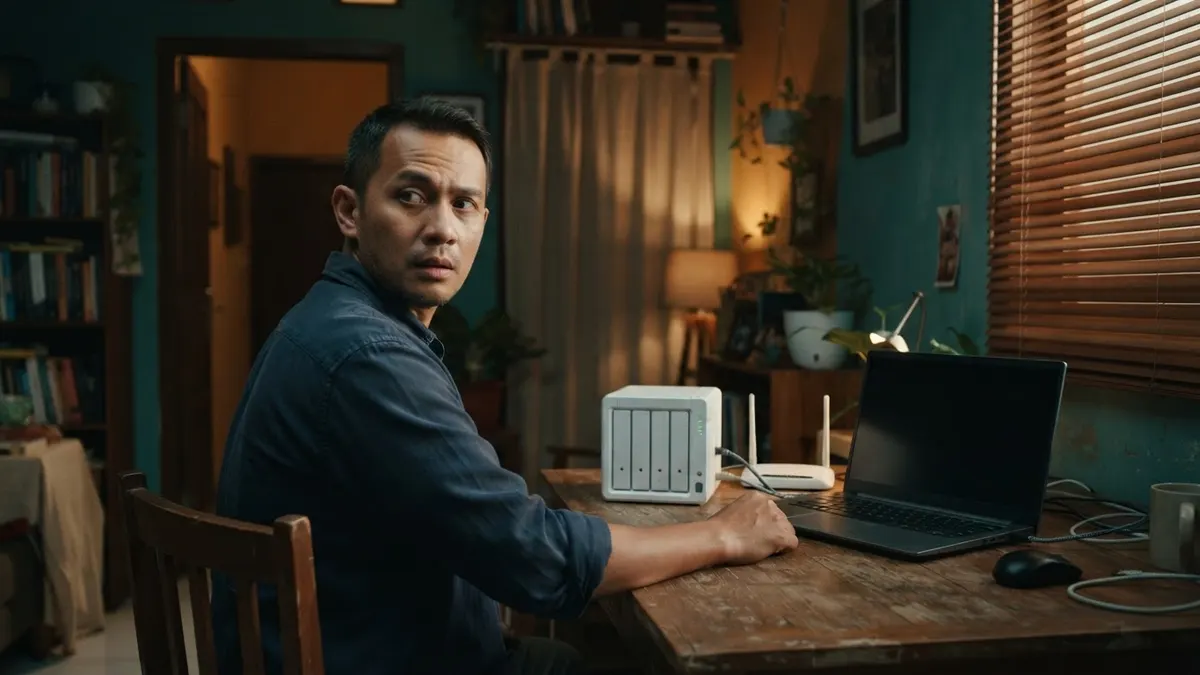
Most accounts that get taken over weren't guessed. The password was already known, leaked from somewhere else and reused here.
Wi-Fi, internet security, connection troubleshooting, and networking for small businesses. All written in-house.
Most accounts that get taken over weren't guessed. The password was already known, leaked from somewhere else and reused here.
Sharing a folder locally feels safe because only people in the house can see it. The problem is that a local network is rarely as small as imagined.
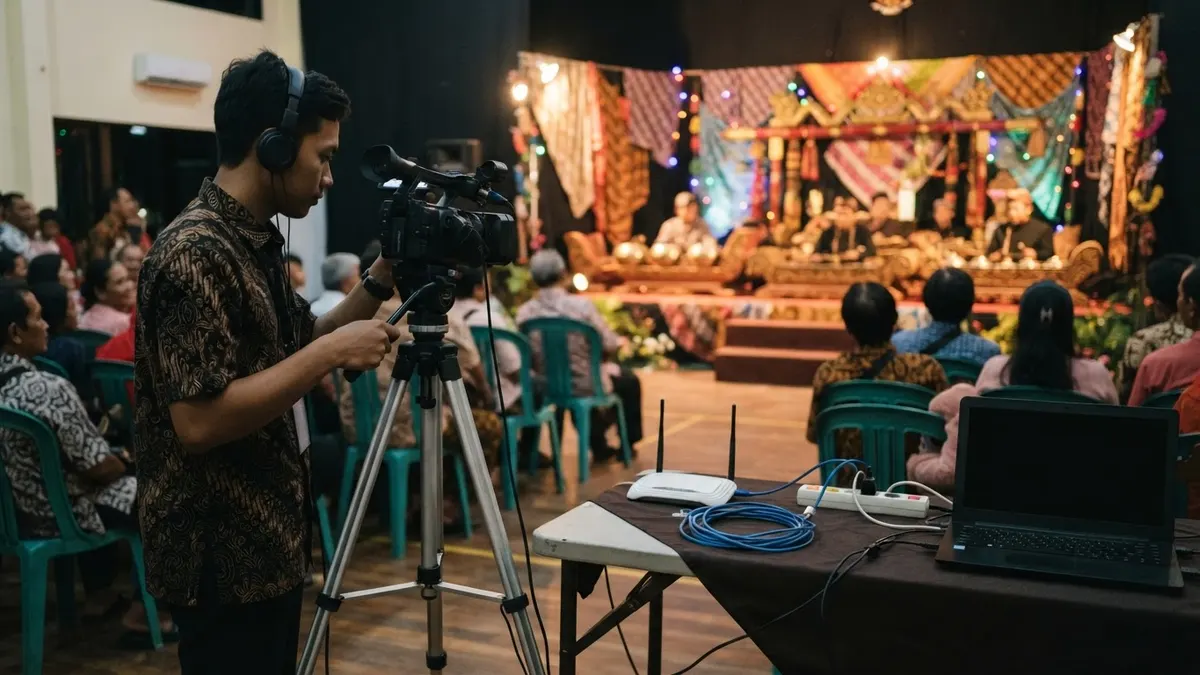
A stream that fails mid-event is almost never about download speed. Upload decides it, and upload is often a tenth of the number printed on the plan.
The costliest mistake when moving house is cancelling first, then discovering the new address is outside the service area.
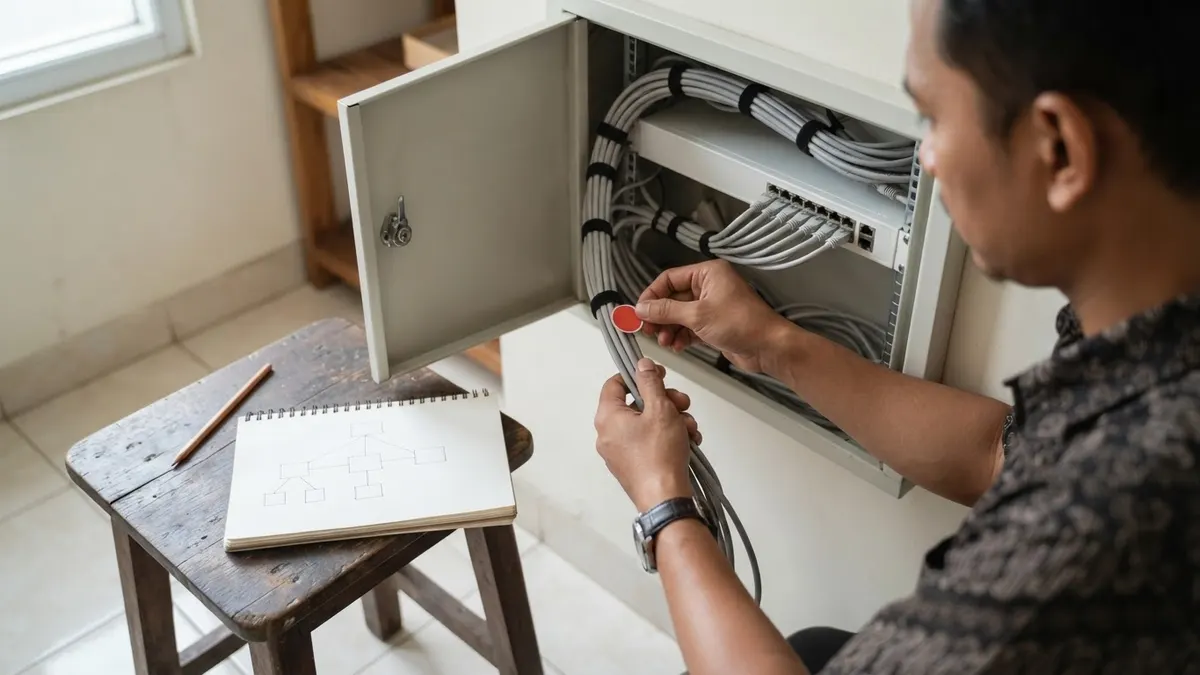
The expensive part of an outage isn't the repair. It's the time spent remembering how the network was set up in the first place.
Installation defects almost always surface days later, once the technician has gone and the evidence has disappeared.
What leaks from online meetings is rarely the result of eavesdropping. It's usually a notification popping up on a shared screen, or a meeting link passed around a group chat.
When the internet works but one app won't connect, it's almost always a single door closed rather than the whole connection failing.
Wi-Fi uses licence-exempt spectrum, not rule-exempt spectrum. The limits sit on transmit power, permitted channels, and device certification.
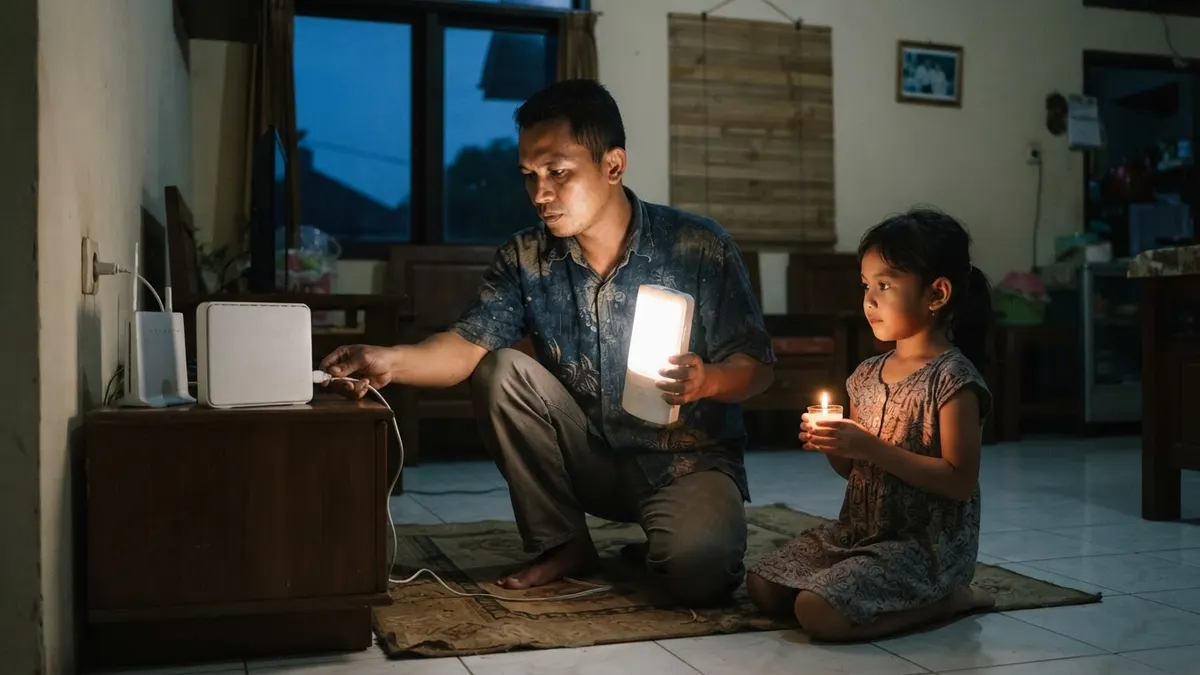
After an outage, the startup order decides everything. A router that wakes faster than the modem fails to get a connection and never retries.
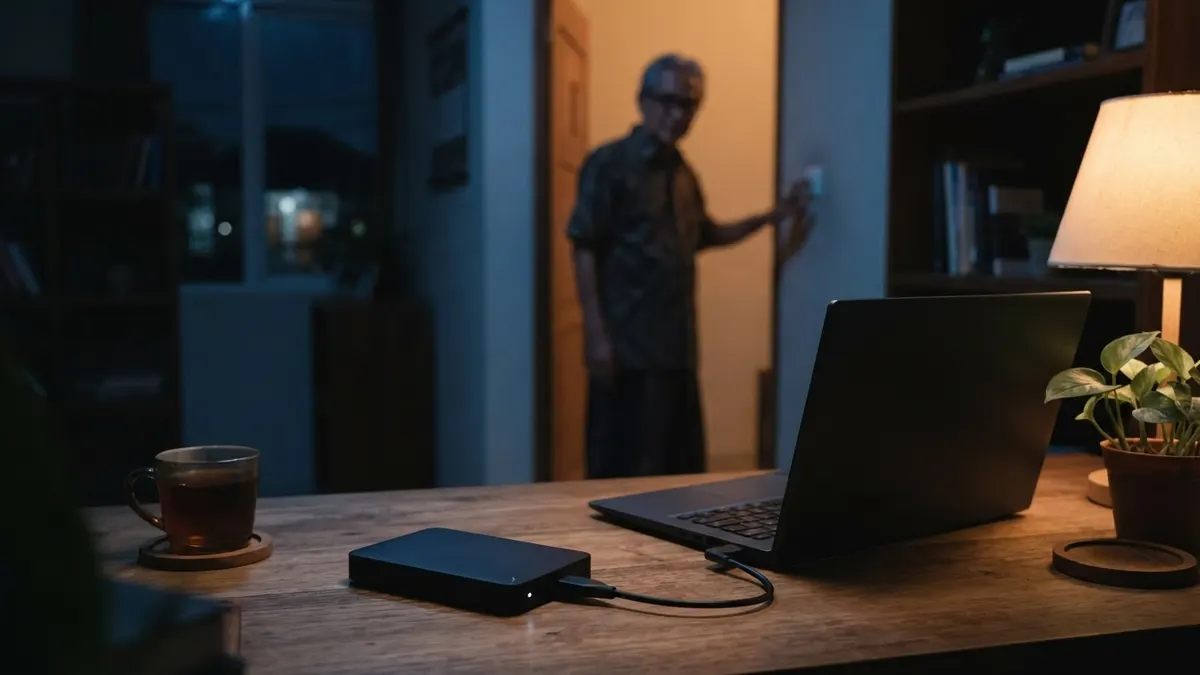
Most people lose data not because they had no backup, but because their last backup was made eight months ago.
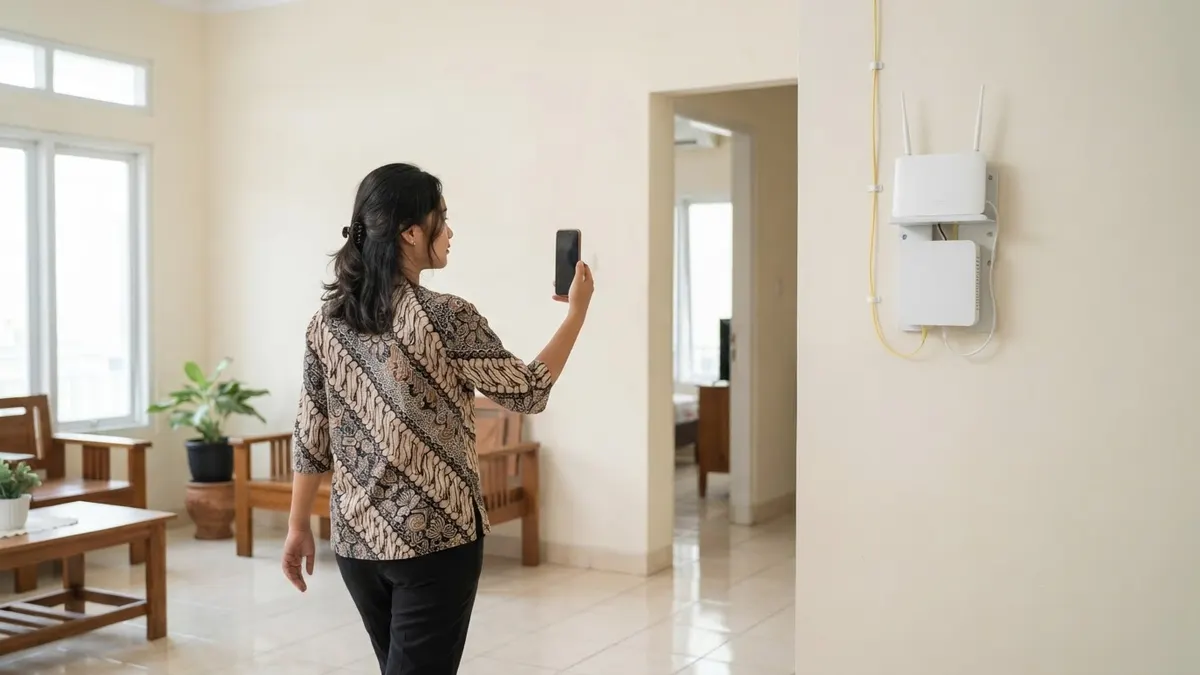
One corner of the room holds five devices that all want internet, and the router is in another room. That's a layout problem, not a plan-speed problem.
Send your question to the editorial team. The ones that keep coming up usually become the next guide.